

Improving Vitamin C Intake in Children with Autism and Other Severe Disabilities Who Have Strong Food Preference
Summary
- Vitamin C Deficiency Risks: Children with autism and other severe disabilities often have strong food preference, increasing their risk of vitamin C deficiency, leading to weakened immunity, skin problems, dental issues, tiredness, and other serious health complications.
- Dietary Strategies for Increasing Vitamin C Intake: Introducing solids early, encouraging food variety, prioritising vegetables and fruits, and including fresh juices are essential dietary strategies to ensure adequate vitamin C consumption.
- Recommended Nutrient Intake and Food Sources: Specific daily recommended vitamin C intake varies by age, and this brochure provides examples of vitamin C-rich foods and portion sizes to help meet those needs.
- Techniques for Encouraging Food Acceptance: Strategies like making food fun and familiar, modifying textures and temperatures, “sneaking” nutrients into preferred foods, and using positive reinforcement can help children with sensory sensitivities or strong food preference accept vitamin C-rich foods.
- Vitamin C Supplementation and Administration: If dietary intake is insufficient, supplements can be used with guidance from healthcare professionals. The brochure provides tips for choosing the right supplement form and masking taste or texture issues to help children take them effectively.
Introduction
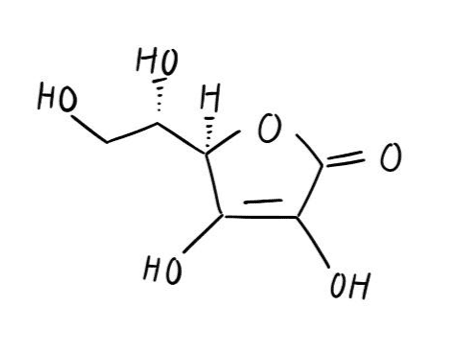
Vitamin C (ascorbic acid) is essential for keeping children (and adults) healthy. It helps fight off illnesses, keep the skin healthy, and protect the body from stress. Most children get enough vitamin C by eating a balanced diet with fruits and vegetables. These children do not need supplements. However, children with autism or other severe disabilities often have strong food preferences or sensitivities to textures and tastes. These sensory differences can make it harder to eat a wide variety of foods, which may increase the risk of vitamin C deficiency (i.e., scurvy), which can cause several problems:
- get infections more often and take longer to recover
- skin may become dry and slow to heal from cuts
- dry and splitting hair
- bruising, swollen or bleeding gums, and even losing the teeth
- feel tired, have mood swings, or muscle pain (and difficulty with walking)
- swollen joints, anaemia (low blood), and/or other serious health issues
How to Help Your Child Get Enough Vitamin C
1. Introduce Solid Foods Early: Start complementary foods at six months while maintaining breast feeding (or infant formula). Although both contain vitamin C, they are not enough to meet the increasing nutritional needs of the infants/toddlers as they grow older.
2. Encourage Variety: Help your child explore various foods early, and gradually (for balance and with moderation), including vegetables and fruits.
3. Choose Fresh or Lightly Cooked Foods:
- Vitamin C is lost when foods are stored too long or overcooked (e.g., boiling).
- Offer fresh fruits, salads, or lightly cooked vegetables (e.g., steamed or stir-fried).
- Cut vegetables and fruits just before eating or cooking.
4. Make Juices: Freshly squeezed orange or guava juice is a tasty and easy way to get vitamin C.
Recommended Nutrient Intake of Vitamin C
| Age Group | Vitamin C: RNI* |
|---|---|
| Toddlers (1 – 3 years) | 30 mg/day |
| Preschoolers (4 – 6 years) | 30 mg/day |
| Junior school children (7 – 9 years) | 35 mg/day |
| Teenagers (10 – 18 years) | 65 mg/day |
| Adults † | 70 mg/day |
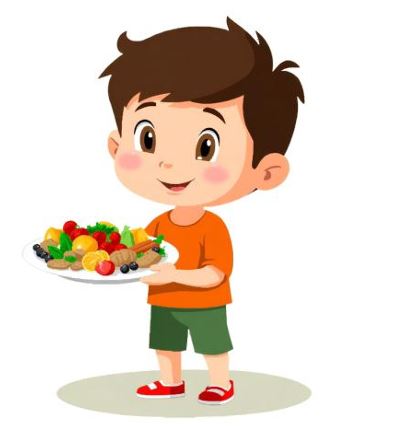
*RNI = Recommended Nutrient Intake (National Coordinating Committee on Food & Nutrition, Ministry of Health Malaysia, 2017, ISBN: 978-967-12050-4-4); †pregnant women should take 15% extra (ask doctor for advice)
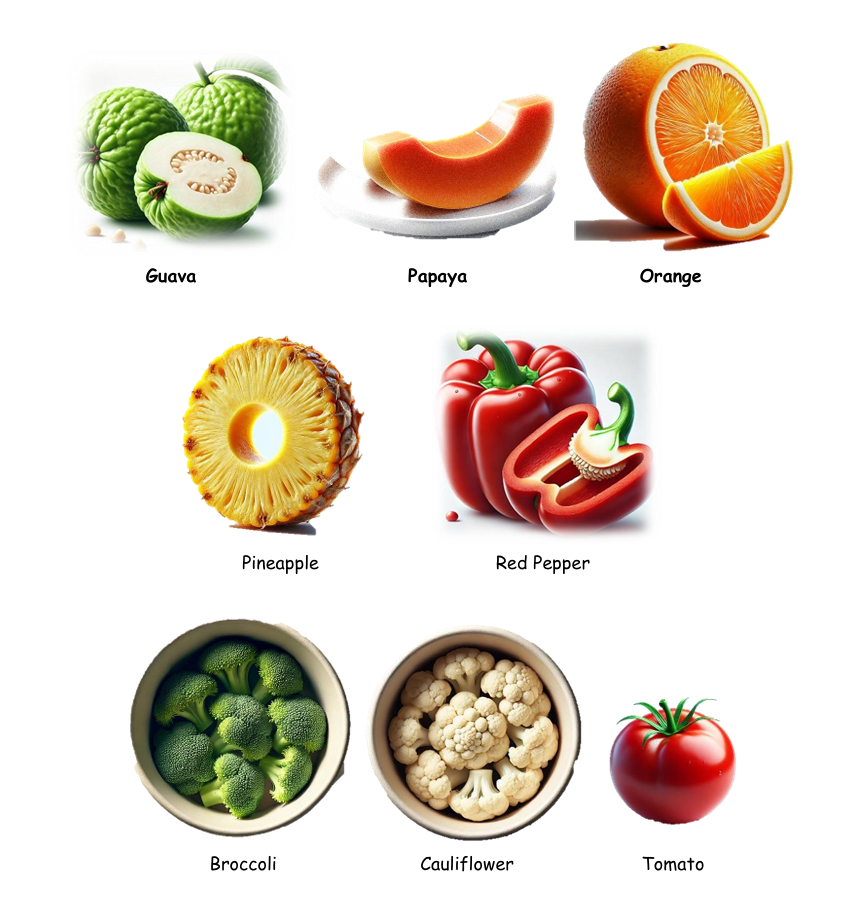
How Much to Eat for Target Vitamin C Levels?
| Vit C Content | Food | Size / Portion |
|---|---|---|
| Fruits: | ||
| 150mg | Guava | Half a small whole guava (100 gm) |
| 70mg | Papaya | One medium slice (100 gm) |
| 50mg | Orange | One medium size (150 gm) |
| 15mg | Pineapple | A small slice (100 gm) |
| Vegetables: | ||
| 65mg | Red Bell Pepper | Half a medium pepper (60 gm) |
| 50mg | Broccoli | Half a cup (60 gm) |
| 25mg | Cauliflower | Half a cup (60 gm) |
| 25mg | Tomato | A medium size (100 gm) |

Maintain a balanced diet, as other nutrients like iron, calcium, and vitamin D are also important for overall health; consult a doctor or dietitian if necessary.
Tips for Encouraging Vitamin C-Rich Foods Intake in Children
Make Food Familiar and Fun
- Start Small: Introduce tiny portions of new foods alongside their favourites; e.g., offer a small slice of orange with a snack they already enjoy.
- Make It Fun: Present fruits and vegetables creatively, arranging them into colourful shapes, smiley faces, or rainbows.
- Incorporate Interests: If your child loves dinosaurs, call broccoli “dinosaur trees” or pretend orange slices are “power coins”.
Modify Food Textures and Temperatures
- Desensitise Sensory Sensitivities: If the child is sensitive to textures, start with soft or mashed versions of fruits, then gradually introduce raw slices.
- Blend or Juice: Some children dislike chunky or fibrous foods; make smoothies or fresh oranges, mangoes, or banana juices
- Masking: Add yoghurt or a preferred drink to mask unwanted textures or flavours.
- Making Purees: Mash vitamin C-rich fruits into soft textures.
- Cold vs. Warm: Some children prefer cold foods over warm ones; experiment with frozen orange slices, blended fruity ice pops, or frozen guava cubes.
Combine with favourite foods in creative ways
- Blend Nutrients into Familiar Food: Grate vegetables like red peppers or broccoli into sauces, soups, or casseroles.
- Blend & Mix: Add finely grated red peppers or carrots into pasta sauces, rice, or soups.
- Juices & Drinks: Make fresh guava or orange juice instead of offering whole fruit.
- Gummies, Jellies, or Ice Pops: Make homemade vitamin C-rich fruit jellies, gummies, or ice pops using natural fruit juice.
Use Positive Reinforcement & Choice
- Offer Choices: Let them choose between options, like “Would you prefer an orange or a slice of mango?”
- Encourage Exploration: Allow them to touch, smell, and play with food before tasting.
- Reward Attempts: Praise the child for trying new foods and offer small rewards, like extra playtime.
Tips for Encouraging Vitamin C-Rich Foods Intake in Children
If the child struggles to eat enough fruits and vegetables, supplements can help.
- Seek Professional Advice: Talk to a doctor, pharmacist, or dietitian before starting supplements.
- Choose the Right Form: Supplements come as chewable tablets, liquids, or dissolvable tablets; check the dosage and ensure it is suitable for the child’s age.
- Take with Food: Vitamin C is best taken with meals, especially if the child has a sensitive stomach.
- Stay Hydrated: Vitamin C is water-soluble; drinking more water helps the body absorb it better.
- Avoid Combining with Calcium or Zinc: These minerals may reduce vitamin C absorption.
- Split the Dose: If needed, divide the daily dose into two (or many) parts (morning, afternoon, evening, etc) to help the body absorb it better and prevent waste.
- Avoid Overdose: Too much vitamin C is passed mainly in the urine (i.e. a waste), and high doses can cause stomach upset, diarrhoea, or kidney stones; stick to recommended doses.
How Much to Eat for Target Vitamin C Levels?
Some children dislike pills or chewables due to their difficulties with taste, texture, or swallowing. Try these strategies:
1. Choose the Right Form
- Syrup Supplements: Mix into juice or yoghurt.
- Chewable Tablets: Choose flavoured ones that resemble a sweet.
- Powder Form: Dissolve in water, juice, or milk.
- Gummies: Some children prefer vitamin C in gummy form.
2. Mask the Taste
- Mix with favourite foods.
- Crush chewable tablets and blend them into a smoothie, pudding, or any food the child likes.
- Hide gummies inside a preferred snack.
3. Create a Routine
- Give vitamins at the same time daily (e.g., before brushing the teeth or a favourite activity).
- Some children respond well to visual checklists that include “Vitamin Time” in their routine.
4. Use Sensory-Friendly Approaches
- Swallowing Difficulty? Cut chewable into smaller pieces or dissolve them in a soft food.
- Sensitive to Smell? Let them hold their nose while swallowing or mix the supplement with a flavoured drink.
5. Make It a Game
- Role-Playing: Pretend it is a superhero “power pill” or a “special drink”.
- Sticker Chart: Reward them with a sticker or a star each time they take their supplement.
Final Encouragement to Parents
- Ensuring the child gets enough vitamin C is crucial for their health, especially if they have limited food preferences or sensory sensitivities that affect what they eat.
- Combining creativity, patience, and professional guidance can help the child develop healthier eating habits over time.
- Be patient – some children need repeated exposure (10 to 15 times) before accepting a new food.
- Avoid forcing – this may increase resistance. Instead, keep offering in different ways.
- Celebrate small successes – even a single bite is progress!
- Consult a doctor, dietitian or therapist, or ask another parent with experience if feeding
Author Bio
Prepared by Prof. Dr Toh Teck Hock, Consultant Paediatrician, Sibu Hospital, with input from Ms Koa Ai Ling and Madam Ima Zatul Iffah Ismail, Dietitians from Miri Hospital and Sibu Hospital, respectively. Reviewed by Dr Teh Siao Hean, Consultant Paediatrician, Sarawak General Hospital, and Dato Dr Amar-Singh HSS, Consultant Paediatrician; National Early Childhood Intervention Council / Malaysian Autism Resource Foundation. Cartoons were designed by Dr Betty Kiew Hua Loon, Paediatric Medical Officer, Sibu Hospital; and vegetables and fruit images were created by Toh Bock Zien (Eden) using ChatGPT Dall 3 ultra. (1 April 2025). Revised 25 Oct 2025.